Top Benefits of Using Soil Testers for Gardening and Farming
Healthy soil is the foundation of successful gardening and productive farming. Whether you are growing vegetables in your backyard or managing large agricultural land, understanding your soil is essential. One of the most effective ways to gain this understanding is by using soil testers. These simple yet powerful tools provide valuable insights into soil conditions, helping growers make informed decisions that improve plant health, yield, and sustainability.
In this article, we will explore the top benefits of using soil testers for gardening and farming, and why they are becoming an essential tool for both beginners and professionals.
Understanding Soil Health
Soil is more than just dirt—it is a complex ecosystem containing nutrients, microorganisms, minerals, and organic matter. The balance of these elements directly affects plant growth. Without proper knowledge of soil composition, gardeners and farmers may struggle with poor crop performance, even if they are watering and fertilizing regularly.
Soil testers allow users to measure key factors such as pH level, moisture content, EC (electrical conductivity), and nutrient availability. This information helps identify deficiencies or imbalances, enabling precise corrections rather than guesswork.
Accurate Measurement of Soil pH
One of the most important factors in soil health is pH level. Soil pH determines how easily plants can absorb nutrients. If the pH is too high (alkaline) or too low (acidic), plants may not be able to take in essential nutrients, even if they are present in the soil.
Using soil testers helps you quickly determine whether your soil is acidic, neutral, or alkaline. With this information, you can adjust the soil by adding lime to raise pH or sulfur to lower it. This targeted approach ensures optimal growing conditions for different types of plants.
For example, crops like blueberries thrive in acidic soil, while vegetables like spinach prefer neutral to slightly alkaline conditions. Knowing your soil’s pH allows you to match plants to the right environment.
Efficient Nutrient Management
Plants require essential nutrients such as nitrogen (N), phosphorus (P), and potassium (K) to grow properly. However, applying fertilizers without knowing the soil’s nutrient status can lead to over-fertilization or nutrient deficiency.
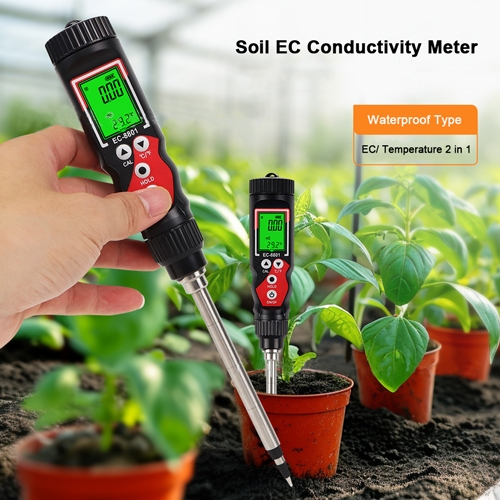
Soil conductivity testers help identify which nutrients are lacking in the soil. This allows farmers and gardeners to apply the right type and amount of fertilizer. As a result, plants receive balanced nutrition, leading to healthier growth and better yields.
Efficient nutrient management also reduces unnecessary expenses. Instead of applying expensive fertilizers blindly, you only use what is needed, saving money and resources.
Improved Water Management
Watering is another critical aspect of plant care, but too much or too little water can harm plants. Overwatering can lead to root rot, while underwatering can cause stress and reduced growth.
Many modern soil testers include moisture measurement features. These tools help you monitor soil moisture levels in real time, ensuring that plants receive the right amount of water.
This is especially beneficial for farmers managing large fields or gardeners growing sensitive plants. By maintaining proper moisture levels, you can improve plant health and conserve water at the same time.
Increased Crop Yield
One of the biggest advantages of using soil testers is the potential for higher crop yields. When soil conditions are optimized, plants grow stronger, develop better root systems, and produce more fruits or vegetables.
Accurate soil data allows farmers to create ideal growing environments. This leads to consistent and predictable results, which is crucial for commercial farming operations.
For home gardeners, higher yields mean more fresh produce and a more rewarding gardening experience.
Environmentally Friendly Farming Practices
Overuse of fertilizers and water can harm the environment. Excess nutrients can leach into groundwater or nearby water bodies, causing pollution and ecological imbalance.
By using soil testers, farmers can adopt more sustainable practices. Precise application of fertilizers and water reduces waste and minimizes environmental impact.
This approach supports eco-friendly farming and aligns with modern agricultural practices focused on sustainability and conservation.
Cost Savings in the Long Run
While purchasing a soil tester requires an initial investment, it can lead to significant cost savings over time. By avoiding unnecessary fertilizer use, reducing water waste, and improving crop productivity, the tool quickly pays for itself.
Farmers can also prevent crop losses caused by poor soil conditions. Early detection of issues allows for timely intervention, saving both time and money.
For gardeners, soil testers eliminate the need for repeated trial-and-error methods, making gardening more efficient and cost-effective.
Easy to Use and Accessible
One of the best things about soil testers is their simplicity. Most devices are easy to use and provide quick results. Even beginners with little gardening experience can operate them without difficulty.
There are different types of soil testers available, including:
- Basic analog testers for pH and moisture
- Digital testers with advanced features
- Laboratory testing kits for detailed analysis
This variety makes it easy for users to choose a tester that fits their needs and budget.
Better Plant Selection
Not all plants thrive in the same soil conditions. Some require acidic soil, while others prefer alkaline or neutral environments. Without proper soil knowledge, choosing the right plants can be challenging.
Soil testers help you understand your soil type and condition, making it easier to select plants that will grow well in your specific environment. This reduces the risk of plant failure and increases gardening success.
For farmers, this knowledge is crucial for crop planning and rotation, ensuring that each crop is grown in suitable conditions.
Early Detection of Soil Problems
Soil issues such as nutrient deficiencies, imbalanced pH, or poor moisture levels can negatively affect plant growth. However, these problems are not always visible until it is too late.
Using soil testers allows for early detection of these issues. Regular testing helps identify changes in soil conditions before they become serious problems.
Early intervention leads to healthier plants and prevents long-term damage to soil quality.
Supports Precision Agriculture
Modern farming is increasingly adopting precision agriculture techniques, where data is used to optimize farming practices. Soil testers play a key role in this approach.
By providing accurate soil data, these tools help farmers make data-driven decisions. This leads to better resource management, improved efficiency, and higher productivity.
Precision agriculture is especially important for large-scale farming operations, where even small improvements can have significant impacts.
Enhances Soil Longevity
Healthy soil is a long-term asset. Continuous farming without proper soil management can lead to degradation, reducing fertility and productivity over time.
Soil testers help maintain soil health by ensuring that nutrients are balanced and conditions remain favorable for plant growth. This contributes to long-term soil sustainability.
Maintaining soil quality is essential not only for current crops but also for future generations.
Saves Time and Effort
Without soil testers, gardeners and farmers often rely on guesswork, which can lead to repeated mistakes and wasted effort. Identifying soil problems manually can be time-consuming and inefficient.
Soil testers provide quick and reliable results, saving time and reducing manual effort. This allows growers to focus on other important tasks, such as planting, harvesting, and crop management.
Ideal for Both Small and Large Scale Use
Whether you have a small garden or a large farm, soil testers are equally beneficial. Home gardeners can use them to improve plant health and garden aesthetics, while farmers can use them to maximize crop production.
Their versatility makes them a valuable tool for anyone involved in growing plants.
Conclusion
Understanding your soil is the key to successful gardening and farming. Soil testers provide accurate and valuable information that helps improve plant health, increase yields, and promote sustainable practices.
From measuring pH levels to managing nutrients and moisture, these tools offer numerous benefits that make them an essential part of modern agriculture and gardening. By using soil testers, growers can make informed decisions, save money, and achieve better results with less effort.
Investing in a reliable soil tester is not just a smart choice—it is a step toward healthier soil, stronger plants, and a more productive future.